


ما هي أنواع القسطرة البالونية ؟
-
 2022-10-25
-
LEPU


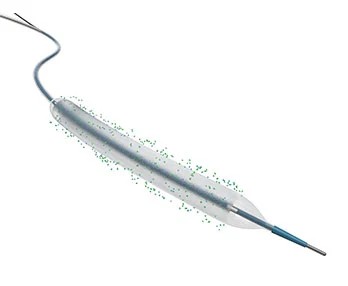
On January 16th, 1964, Dotter and Judkins performed the world's first lower limb vascular angioplasty on an elderly female patient using a balloon catheter. Thirteen years later, Gruentzig performed the world's first coronary angioplasty using a balloon catheter. Today, balloon dilation catheters are widely used for the diagnosis and treatment of cardiovascular diseases. Reviewing the development of balloon dilation catheter technology provides many insights for our current and future work. Next, let's take a look at the types of balloon catheters.
1. قسطرالبالون التبادل السريع
The rapid exchange balloon dilation catheter is currently the most widely used type of balloon dilation catheter in percutaneous coronary intervention (PCI). The catheter has a side hole 25cm from the tip of the balloon, through which the guide wire is inserted and emerges from the side hole when it is inserted through the top of the balloon. This design greatly facilitates the operation of the operator and saves time. The structure of the rapid exchange balloon is also different from other types of balloons in that it includes a connection segment between the balloon and the push rod, occasionally leading to rupture. Both the balloon and guide wire are operated by one person, resulting in an ideal imaging effect. The disadvantage of this type of balloon catheter is that if the entire balloon system is not removed, the guide wire cannot be replaced. If an extension guide wire is not used, the OTW balloon cannot be replaced, and the push force is slightly reduced, and the tracking is slightly worse.
2. قسطرالبالون عبر الأسلاك
The over-the-wire balloon dilation catheter (OTW) was first used in PTCA in 1982. It can be used for CTO lesions or when guide wire exchange is required, as well as for interventricular septal chemical ablation and central cavity pressure measurement and blood sampling. Currently, OTW balloons are rarely used clinically. The advantages of the OTW balloon dilation catheter include easy exchange of guide wires and good tracking. When the guide wire is difficult to pass through the occlusive lesion, the OTW balloon can provide additional support, similar to the role of a microcatheter. If the guide wire still cannot pass through the lesion, the OTW balloon dilation catheter can be used as a transmission catheter to exchange other guide wires. After the guide wire passes through the lesion, the OTW balloon dilation catheter can also be used for distal angiography to facilitate judging whether the guide wire is located in the true cavity. Therefore, the OTW balloon dilation catheter still has certain advantages in handling CTO lesions. The disadvantage of this type of balloon catheter is that the balloon size is slightly larger and the length of the steel wire is 300 cm, requiring cooperation between two operators.
3. قسطر بالونات سلك إرشادي ثابت
تحتوي قسطرات البالون على سلك توجيه بلاستيكي مرن مثبت في الجزء العلوي من القسطير بطول 2. من بين قسطرات التمدد البالونية الشائعة الاستخدام ، لها أصغر شكل خارجي ، مما يزيد من معدل عبور الآفة ويؤدي إلى تأثير تصوير مثالي ، ولا يتطلب سوى شخص واحد لتشغيله. ومع ذلك ، عندما تدخل قثالة الوعاء الدموي المستهدف ، يجب دفعها للأمام أثناء دورانها في كلا الاتجاهين ، مما يجعل قثطارة عرضة للكسر. لا يمكنه التحرك بشكل مستقل ، ولا يمكنه تبادل أسلاك التوجيه. لم يعد يستخدم بشكل أساسي سريريًا.
4. أنواع القسطرة البالونية التروية
تحتوي قسطرات تمدد البالون النضح على ثقوب جانبية متعددة في نهايتها القريبة والبعيدة ، لذلك عندما يتم نفخ البالون ، لا يزال تدفق الدم يدخل الطرف البعيد المريضة.
عندما يبلغ متوسط ضغط الأبهر 80 مللي غرام ، يمكن أن يصل تدفق الدم البعيدة إلى 40-60. عند الحاجة إلى ضغط البالون المستمر لعلاج مضاعفات مثل ثقب الشريان التاجي ، فإن استخدام قسطرة تمدد البالون النضح له مزايا معينة. العيب الرئيسي هو أن القسطرة سميكة نسبيا ولها قدرة ضعيفة على عبور الآفات.
5. أنواع خاصة من القسطرة البالونية
تشمل الأنواع الخاصة من البالونات المستخدمة حاليًا في الممارسة السريرية بشكل أساسي بالونات سلكية مزدوجة ، بالونات القطع ، بالونات مخددة للأدوية ، إلخ. بشكل أساسي ، تنتمي هذه الأنواع الثلاثة من البالونات إلى قسطرة تمدد البالونات السريعة التبادل ، ولكن لها وظائف خاصة تختلف عن بالونات التبادل السريع التقليدية.
القطر الخارجي للبالونات السلكية المزدوجة يشبه قطر البالون العادي ، وهناك تجويف داخلي في نهاية البالون لتوجيه شكل السلك. بالإضافة إلى ذلك ، يوجد سلك ثابت على سطح البالون ، يقع في موضع 180 درجة على جانبي البالون من سلك التوجيه.
يمكن للبالونات السلكية المزدوجة أن تقطع أنسجة البلاك بطريقة منتظمة ، مع الحد الأدنى من الضرر للبطين وضمان عدم تحول البالون. البالون القطع هو المنتج الذي يجمع بين تقنية القطع الصغيرة مع تمدد البالون. بالونات القطع المستخدمة سريريًا حاليًا هي منتجات الجيل الثالث ، والتي تتمتع بسعة مرور أفضل ، ويمكنها تحقيق تمدد كامل مع ضغط منخفض ، ولها معدلات منخفضة من تمزق غير منتظم للأوعية الدموية ومعدلات منخفضة لإعادة التضييق على المدى الطويل.
البالون الذي يستخدم في إنتاج الأدوية هو منتج يجمع بين تقنية تمدد البالون التقليدية وتقنية الاستنشاق بالأدوية ، ويظهر تفوقه تدريجيًا كمكمل فعال للدعامات. يمكن للبالونات التي تستخدم الأدوية تجنب الآثار الجانبية الناجمة عن الدعامات المعدنية وناقلات البوليمر ، ويمكن تطبيق الأدوية على مناطق محددة من جدار الأوعية الدموية المريضة للسيطرة على إعادة التضييق.